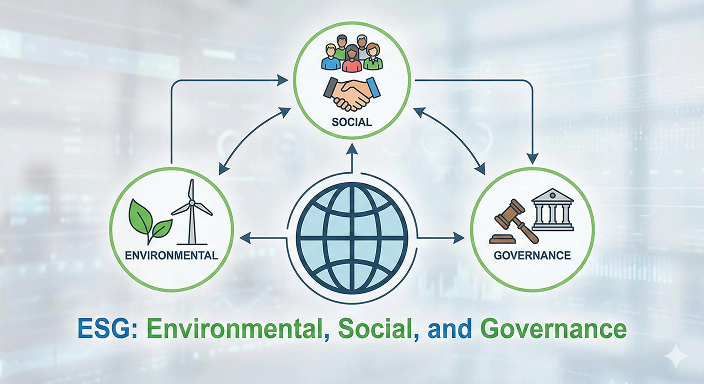
The "S" in ESG: Why Security Deposits Are Your Unused Social Impact Lever
December 20, 2025
In the world of Environmental, Social, and Governance (ESG) reporting, the "Environmental" piece is easy to quantify. You can measure LED retrofits, low-flow toilets, and HVAC efficiencies.
But for many residential property managers, the "Social" pillar feels frustratingly abstract. How do you quantify "resident well-being" or "financial inclusion" in a way that satisfies institutional investors and ESG auditors?
The answer has been sitting in your escrow accounts all along. By rethinking the security deposit, Whale helps operators turn a dormant liability into a measurable social asset.
The Problem: The Social Cost of "Dead Capital"
In the U.S. alone, an estimated $60 billion is locked away in traditional security deposits. For the average renter, this is often their largest single liquid asset—and it sits in a non-interest-bearing account (or one yielding 0.01%) for years.
From an ESG perspective, this "dead capital" represents a significant social friction:
- Wealth Erosion: In a high-inflation environment, a deposit that doesn't earn interest is actually losing value. For lower-income residents, this is a direct hit to their long-term financial stability.
- The "Locked" Barrier: Traditional deposits offer no path to wealth-building. They are a one-way transaction that provides no benefit to the resident.
- Inequity of Access: When traditional cash deposits are the only option, residents with limited savings are forced into expensive "alternatives" (like surety bonds) where they pay non-refundable fees, further depleting their net worth.
How Whale Solves for the "Social" Pillar
Whale transforms the security deposit from a static liability into a financial amenity. This shift allows property managers to report on concrete social metrics:
1. Direct Wealth Creation (Financial Wellness)
By moving deposits into high-yield, resident-owned accounts, you are actively helping your residents build wealth.
The Metric: Operators can now track and report on the total interest earned by their resident base. Instead of "supporting well-being," you can state: "In 2025, our residents earned $140,000 in interest on their deposits via Whale."
2. Banking the Underbanked (Financial Inclusion)
Whale provides many residents with their first high-yield savings account (HYSA). By facilitating the opening of these FDIC-insured accounts, you are integrating residents into the formal financial system, providing them with a platform for future saving and investment.
3. Ending the "Fee Trap"
Because Whale makes the cash deposit modern and digital, more residents choose it over expensive, non-refundable deposit alternatives. You are saving your residents from "sunk cost" fees, leaving more money in their pockets at move-out.
Governance is the Foundation
While Whale shines in the "Social" pillar, it also shores up the Governance (G) side of your ESG goals.
- Transparency: All funds are held in the resident’s name, creating a clean audit trail that is 100% compliant with state-specific trust accounting laws.
- Ethics: You remove the temptation and risk of commingling funds or mismanaging interest payouts.
Making Social Impact Boringly Efficient
For institutional investors, ESG is no longer "nice to have"; it is a requirement for capital allocation. Whale allows you to stop searching for "social" initiatives and transform one of the least popular parts of renting (for residents and property managers) into a financial amenity.
By simply changing the way you handle security deposits, you improve your residents' financial lives, eliminate your team's administrative burden, and provide your ESG auditors with the hard data they crave.